Macular Degeneration: An Overview of AMD, Risk Factors and Research
Macular degeneration, usually called age-related macular degeneration (AMD), is an eye condition that damages the central part of the retina and can blur the sharp, straight-ahead vision needed for reading, driving and recognizing faces[1]. It tends to progress slowly, and many people have no symptoms early on. This overview explains the two forms, who is at risk, how it is monitored, and what research says about diet and supplements.
- AMD damages the macula and affects central vision, usually leaving side vision intact.
- Dry AMD is more common and gradual; wet AMD is less common but can progress faster and is treated with eye injections by a specialist.
- Age, smoking and family history are the main risk factors, and quitting smoking is a key modifiable step.
- The Amsler grid can help with home monitoring, but it does not replace dilated eye exams.
- AREDS and AREDS2 studied specific supplement formulas in people with intermediate or advanced AMD, so results do not apply to everyone; discuss use with an eye doctor.
What macular degeneration is
The macula is a small area at the center of the retina, the light-sensing tissue at the back of the eye. It gives the central, detailed vision used for reading, sewing, driving and seeing faces[1].
In AMD, the macula gradually deteriorates. Side (peripheral) vision usually stays intact, so AMD does not typically cause complete blindness. It can, however, make everyday tasks hard when central vision is lost[2].
AMD is a leading cause of vision loss in people age 50 and older[1]. If a loved one has recently received this diagnosis, it helps to know that the condition varies widely. Some people stay in an early stage for years, while others progress faster. An eye doctor can explain which stage applies and what to expect.
Dry vs. wet AMD
There are two main forms, and they behave differently.
Dry AMD
Dry AMD is the more common form. It develops as the macula thins and small yellow deposits called drusen build up under the retina[1]. Vision loss is usually gradual. Dry AMD is often described in stages: early, intermediate and late[1].
Wet AMD
Wet (neovascular) AMD is less common but generally causes faster and more severe vision loss. Abnormal blood vessels grow under the retina and can leak fluid or blood[1][2]. Dry AMD can turn into wet AMD, which is one reason regular monitoring matters.
Only an eye doctor can tell which type is present, using a dilated eye exam and imaging.
Who is at risk
Age is the strongest risk factor, and risk rises after about age 50[1]. Other recognized risk factors include:
- Smoking. Smokers have a higher risk of developing AMD, and quitting is one of the most useful steps a person can take[1].
- Family history and genetics. Having a close relative with AMD raises risk[1].
- Race. AMD is more common among white people than among some other groups[1].
- Other health factors. Cardiovascular conditions and diet may play a role, according to the National Eye Institute[1].
Having risk factors does not mean AMD will develop, and lacking them does not rule it out. Regular dilated eye exams are the way to catch early changes.
Warning signs and the Amsler grid
Early AMD often causes no noticeable symptoms. As it advances, people may notice[2][1]:
- Straight lines that look wavy or bent
- A blurry or dark spot near the center of vision
- Colors that seem less bright
- Difficulty seeing in low light
If central vision seems hazy, see an eye doctor rather than assuming it is only blurry vision from tired eyes or outdated glasses. Other conditions, including cataracts, can also cloud vision, and only an exam can sort out the cause.
The Amsler grid is a simple chart of straight lines with a dot in the center. People with AMD can use it at home to check whether lines look wavy, blurred or missing in any area[2]. Cover one eye, look at the dot, and note any distortion. Any new change should be reported to an eye doctor promptly. The grid is a monitoring aid and does not replace a professional exam.
When injections are needed
Injections are used for wet AMD, not for early dry AMD. The standard approach is anti-VEGF medication, injected into the eye to slow the growth and leakage of abnormal blood vessels[1][2]. These treatments are given by an eye specialist, often as a series of repeat visits, and they can help preserve vision for many people[1].
Timing matters. Wet AMD can progress quickly, so sudden distortion or a new dark spot should prompt an urgent call to an eye doctor. Treatment decisions, including whether injections or other options are appropriate, belong with a retina specialist.
No dietary supplement is a substitute for this care.
Nutrition and supplements: a quick preview
General eye health habits, such as not smoking and eating a varied diet, are commonly recommended alongside regular eye exams[1]. Supplements are a narrower question.
The National Eye Institute's Age-Related Eye Disease Studies (AREDS and AREDS2) tested specific nutrient combinations in people who already had intermediate or advanced AMD in one eye[3]. The original AREDS found that a formula of vitamins C and E, beta carotene and zinc was associated with a lower risk of progressing to advanced AMD in people at higher risk[4]. AREDS2 later tested adding lutein and zeaxanthin and omega-3 fatty acids. Omega-3s did not provide added benefit, and lutein and zeaxanthin were considered a possible replacement for beta carotene[5][3].
Several cautions apply:
- These studies looked at people with specific stages of AMD, not at the general public.
- Beta carotene has been linked to a higher lung cancer risk in smokers[3].
- The original formula used zinc at levels above the adult upper limit for supplements, and high zinc can affect copper status[4][6].
- Evidence for other ingredients, such as saffron, is early and limited[7].
Because these are medical decisions, ask an eye doctor whether a supplement makes sense for your stage of AMD. The supplements page on this site covers the evidence in more detail.
Eye supplements we have reviewed
Want to compare products? Read what the research says about nutrients for macular degeneration first, then compare the products below.
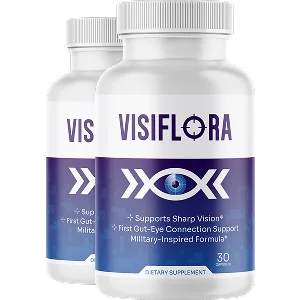
VisiFlora
Of its listed ingredients, vitamin C, vitamin E and copper are components of the AREDS-type formulas, but this product does not itemize the AREDS combination, so those studies cannot be applied to it directly. Astaxanthin, grape seed extract, rutin, quercetin, taurine, alpha lipoic acid, ginkgo, coleus forskohlii and eyebright have no good evidence in the sources reviewed here for AMD.
Listed ingredients: Astaxanthin, Vitamin C, Vitamin E, Copper, Selenium, Chromium
TheyaVue
Lutein, zeaxanthin, vitamin C, vitamin E and zinc overlap with nutrients studied in AREDS and AREDS2, which looked at specific formulas in people with intermediate or advanced AMD. Whether this product matches those formulas or doses is unclear. Bilberry extract, rutin and calcium have no good evidence for AMD in the sources reviewed here.
Listed ingredients: Lutein, Zeaxanthin, Vitamin C, Calcium, Vitamin E, Bilberry Extract
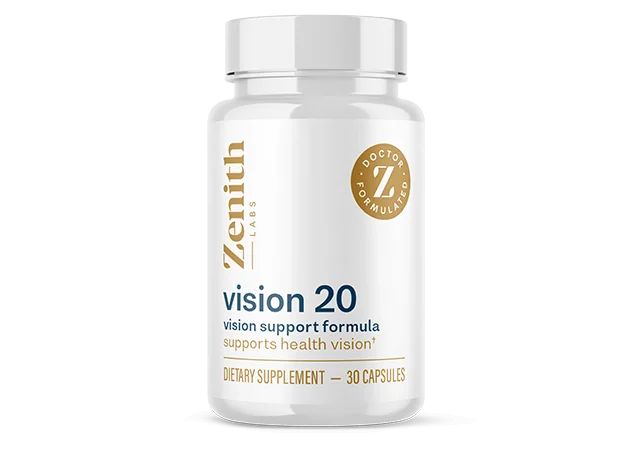
Vision 20
Lutein, zeaxanthin, zinc and beta-carotene relate to nutrients studied in AREDS and AREDS2. Beta carotene has been linked to higher lung cancer risk in smokers, a reason later formulas moved away from it. Lycopene, rose hips, taurine, grape seed extract and bilberry have no good evidence for AMD in the sources reviewed here.
Listed ingredients: Lutein, Zeaxanthin, Zinc, Beta-carotene, Lycopene, Rose Hips
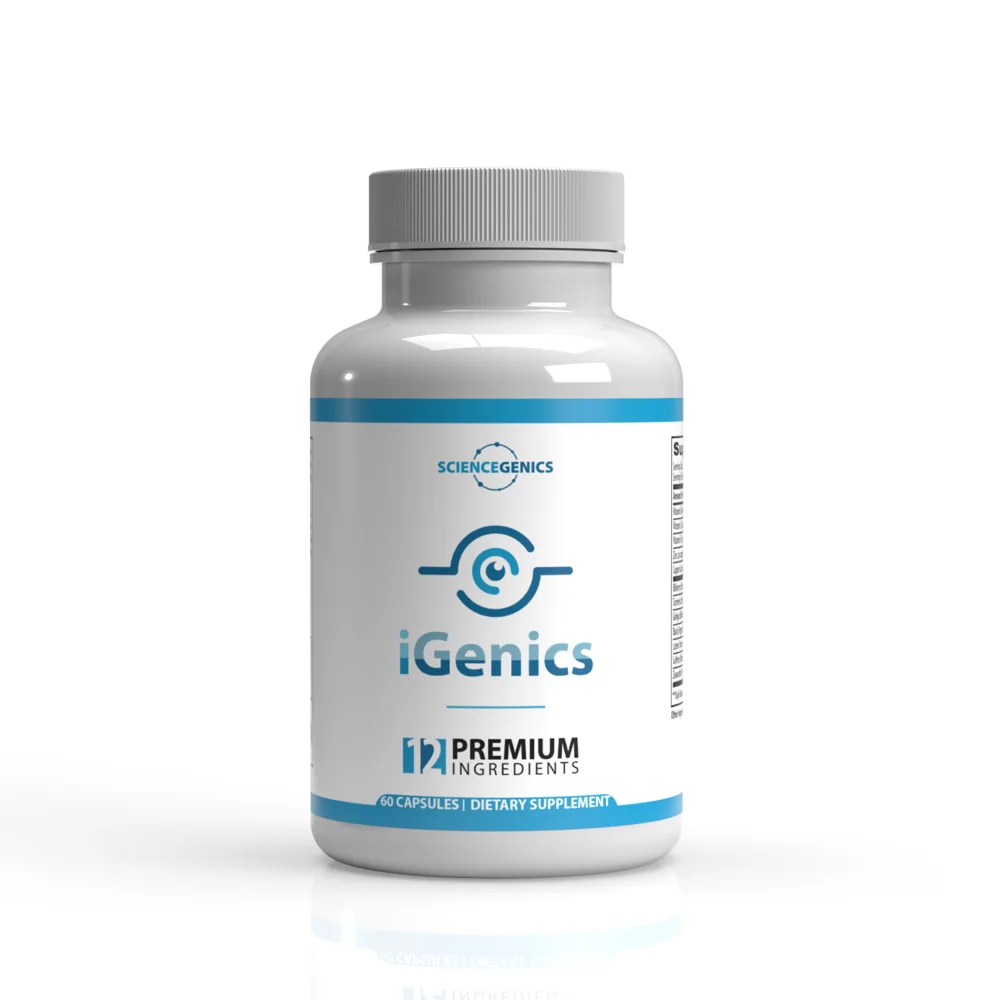
iGenics
It says it contains AREDS-2 formula ingredients but does not itemize them, so it is unclear whether amounts match those tested in the trial. Saffron has early, limited research for AMD. Ginkgo, bilberry and turmeric with BioPerine have no good evidence for AMD in the sources reviewed here.
Listed ingredients: Ginkgo biloba, AREDS-2 formula ingredients (not itemized), Bilberry, Saffron, Turmeric + BioPerine
Frequently asked questions
Can macular degeneration cause total blindness?
AMD mainly affects central vision, and side vision usually remains[2]. Even so, losing central vision can make reading, driving and recognizing faces difficult. An eye doctor can describe what to expect and what low-vision support is available.
What is the difference between dry and wet AMD?
Dry AMD involves gradual thinning of the macula and drusen deposits, and it is the more common form[1]. Wet AMD involves abnormal blood vessels that can leak fluid or blood and may cause faster vision loss[1][2]. Only an eye exam can confirm which type is present.
How often should the Amsler grid be used?
The grid is meant to help people notice changes in central vision, such as wavy or missing lines[2]. How often to use it is best decided with your eye doctor. Report any new distortion promptly instead of waiting for the next scheduled visit.
Do supplements prevent or treat macular degeneration?
No supplement has been shown to cure or reverse AMD. The AREDS formulas were studied for their effect on the risk of progression in people with intermediate or advanced disease[4][3]. Evidence for other ingredients is limited, so check with an eye doctor before starting anything.
Sources
- National Eye Institute: Age-related macular degeneration
- American Academy of Ophthalmology: What is macular degeneration?
- National Eye Institute: Age-Related Eye Disease Studies (AREDS/AREDS2)
- AREDS Research Group. Arch Ophthalmol 2001: high-dose vitamins C and E, beta carotene and zinc for AMD
- AREDS2 Research Group. JAMA 2013: lutein + zeaxanthin and omega-3 fatty acids for AMD
- NIH Office of Dietary Supplements: Zinc fact sheet
- BMJ Open Ophthalmol 2024: saffron therapy for age-related macular degeneration