Macular Degeneration Treatment and Home Care: What Helps and What Does Not
Hearing that you have macular degeneration is frightening, but there are real steps that eye doctors use and that people can take at home to protect the vision they have. This page covers medical treatments, the evidence on AREDS-type supplements, daily habits, and the claims that deserve skepticism. It is general information and cannot replace an exam: only an eye doctor can diagnose AMD and decide what treatment fits your eyes.
- Wet macular degeneration is usually treated by an eye doctor with anti-VEGF injections, and early treatment matters[1].
- The AREDS and AREDS2 formulas were studied for slowing progression in intermediate AMD or advanced AMD in one eye, not for prevention or cure[2].
- An Amsler grid can help you notice changes at home, but it does not replace dilated eye exams[3].
- Not smoking, a nutritious diet, and regular activity are the main lifestyle steps linked to lower risk[1].
- Be skeptical of products claiming to cure AMD or restore vision; evidence for herbs such as saffron is limited[4].
Medical treatments an eye doctor may use
Treatment depends on the type of age-related macular degeneration. In the dry form, the more common one, the macula slowly thins over time. In the wet form, abnormal blood vessels grow under the retina and can leak fluid or blood[1][3].
Wet AMD. The main treatment is a medicine injected into the eye that blocks a growth signal called VEGF. These anti-VEGF injections are meant to slow or stop the abnormal vessels from leaking, and they are often repeated over time[1][3]. Your doctor may also use other approaches in certain cases. Treatment works best when started early, which is why sudden changes should never wait.
Dry AMD. Options are more limited. Care usually centers on regular monitoring, home checks, lifestyle steps, and, for people at higher risk of progression, a specific supplement formula discussed below[1][2].
Low vision support. If central vision has already been affected, low vision specialists can recommend magnifiers, stronger lighting, and other tools to help with reading and daily tasks[1]. Ask your eye doctor for a referral.
What the AREDS and AREDS2 studies showed
The Age-Related Eye Disease Studies are the best-known research on supplements and AMD. The first study tested high doses of vitamins C and E, beta carotene, and zinc. In people with intermediate AMD or advanced AMD in one eye, this combination was linked to a lower risk of progressing to advanced AMD[5][2].
The follow-up study, AREDS2, tested adding lutein and zeaxanthin, and omega-3 fatty acids. Omega-3s did not add benefit. Lutein and zeaxanthin were studied as a replacement for beta carotene[6][2]. You can read more about lutein and zeaxanthin on our related site.
Two points matter for readers:
- The evidence applies to specific groups. The results were seen in people with intermediate AMD, or advanced AMD in one eye. The studies do not show that these supplements prevent AMD in people with healthy eyes or only early changes[2].
- They are not a cure. The formula was studied for its effect on the risk of progression. It does not restore vision that has been lost.
Because the AREDS formula includes a high zinc dose, ask your doctor before starting. The NIH lists an upper limit for adult zinc intake, and long-term high intake can interfere with copper absorption[7]. A doctor or pharmacist can check the formula against your other medicines and health conditions.
Daily habits and home care
Home care is mostly about noticing changes early and supporting overall eye health.
Check your vision with an Amsler grid
The Amsler grid is a simple pattern of straight lines. Looking at it with one eye at a time, at your usual reading distance and with your reading glasses on, can reveal wavy, blurry, or missing areas in the center of your vision[3]. Many eye doctors suggest checking regularly, such as at the same time each day. Report any new distortion or dark spot to your eye doctor right away, because a change can signal wet AMD.
Lifestyle steps
The National Eye Institute lists several habits linked to better outcomes or lower risk[1]:
- Do not smoke, or get help to quit. Smoking is a well-established risk factor.
- Eat a varied diet with leafy greens, fish, and other whole foods.
- Stay physically active and aim for a healthy weight.
- Keep blood pressure and cholesterol under control with your doctor.
These steps support overall eye health and general health at the same time.
Make your home easier to see in
Good lighting, high-contrast labels, large-print materials, and magnifiers can make daily tasks easier if central vision is reduced. A low vision specialist can tailor advice to your situation[1].
Prevention: what can and cannot be done
AMD risk rises with age, and family history and smoking also play a role[1]. You cannot change your age or genes, but you can address the factors within your control.
The most practical prevention steps are not smoking, eating a nutritious diet, staying active, and having regular dilated eye exams. Exams matter because early AMD often causes no symptoms, and an eye doctor can spot changes before you notice them[3][1].
No supplement has been shown to prevent AMD from starting. The AREDS findings relate to slowing progression in people who already have intermediate or one-sided advanced disease[2].
What not to rely on
Be cautious with anything that promises to cure AMD, reverse damage, or bring back lost vision. No supplement has been shown to do this.
- Supplements in place of medical care. Delaying an exam or injections in favor of a supplement can risk permanent vision loss in wet AMD.
- Herbal blends with little evidence. Saffron has been studied for AMD, but the research is limited and more high-quality trials are needed before firm conclusions can be drawn[4]. Other herbal ingredients commonly added to eye formulas, such as bilberry or ginkgo, are not part of the AREDS findings[2].
- Assuming any "eye vitamin" matches AREDS2. Products vary widely in ingredients and amounts. Compare the label with the formula your doctor recommends.
- Self-diagnosing. Changes in sight have many causes. Blurry vision can come from AMD, but also from conditions such as cataracts, so an eye exam is needed to tell the difference[3].
When to call your eye doctor
Contact an eye doctor promptly if you notice straight lines looking wavy, a new blurry or dark spot in the center of vision, or a sudden drop in sight[3][1]. Do not wait for your next scheduled visit. If you already have a diagnosis, ask how often you should be examined and how you should monitor at home.
Bring a list of all supplements and medicines to your appointments so your doctor can check for interactions and advise on what is appropriate for you.
Eye supplements we have reviewed
Want to compare products? Read what the research says about nutrients for macular degeneration first, then compare the products below.
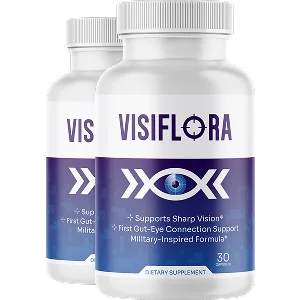
VisiFlora
Listed ingredients: Astaxanthin, Vitamin C, Vitamin E, Copper, Selenium, Chromium
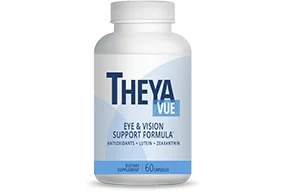
TheyaVue
Listed ingredients: Lutein, Zeaxanthin, Vitamin C, Calcium, Vitamin E, Bilberry Extract
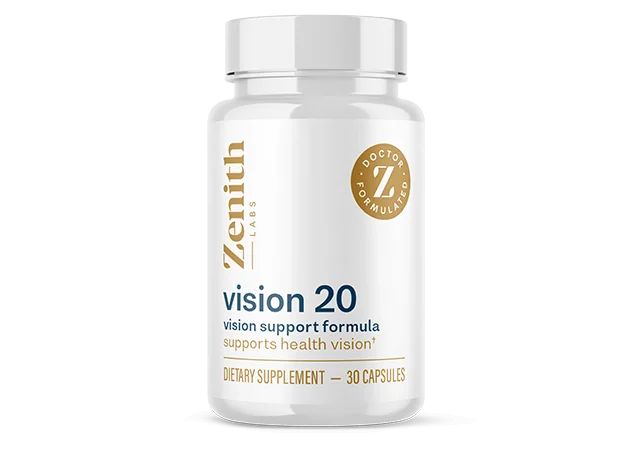
Vision 20
Listed ingredients: Lutein, Zeaxanthin, Zinc, Beta-carotene, Lycopene, Rose Hips
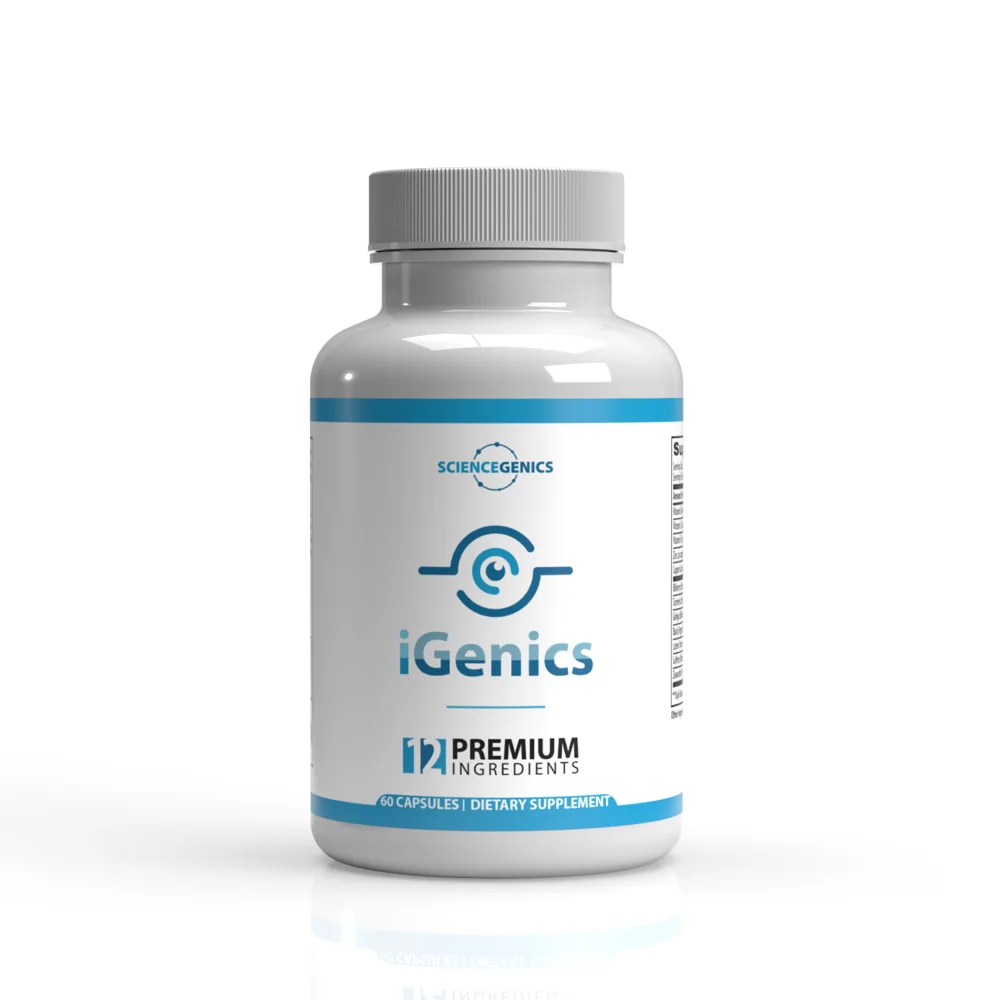
iGenics
Listed ingredients: Ginkgo biloba, AREDS-2 formula ingredients (not itemized), Bilberry, Saffron, Turmeric + BioPerine
Frequently asked questions
Can macular degeneration be cured?
No cure is currently available. Treatments for wet AMD, such as anti-VEGF injections, aim to slow or stop vessel leakage, and other measures aim to preserve the vision you have[1]. An eye doctor can explain what to expect for your type of AMD.
Should everyone with macular degeneration take an AREDS2 supplement?
Not necessarily. The AREDS findings apply to people with intermediate AMD or advanced AMD in one eye, and benefit was not shown for people without AMD or with very early changes[2]. Ask your eye doctor whether it fits your stage and health.
How do I use an Amsler grid?
Hold the grid at reading distance with your reading glasses on, cover one eye, and look at the central dot. Note any wavy, blurry, or missing lines, then repeat with the other eye[3]. Call your eye doctor promptly if anything changes.
Is saffron proven to help macular degeneration?
No. Saffron has been studied for AMD, but the evidence is limited and more research is needed[4]. It should not replace exams, monitoring, or treatments your doctor recommends.
Sources
- National Eye Institute: Age-related macular degeneration
- National Eye Institute: Age-Related Eye Disease Studies (AREDS/AREDS2)
- American Academy of Ophthalmology: What is macular degeneration?
- BMJ Open Ophthalmol 2024: saffron therapy for age-related macular degeneration
- AREDS Research Group. Arch Ophthalmol 2001: high-dose vitamins C and E, beta carotene and zinc for AMD
- AREDS2 Research Group. JAMA 2013: lutein + zeaxanthin and omega-3 fatty acids for AMD
- NIH Office of Dietary Supplements: Zinc fact sheet