AREDS2 Formula Explained: What It Contains and Who It Is For
The AREDS2 formula is a specific combination of vitamin C, vitamin E, lutein, zeaxanthin, zinc and copper that was studied in people who already have intermediate or advanced macular degeneration. It was not tested as a general eye vitamin for healthy adults. This guide covers the exact ingredients and doses, why beta-carotene was replaced, what lower zinc means, and why most multi-ingredient blends are not the studied formula.
- What are the AREDS2 supplements? Exact ingredients and doses
- Why beta-carotene was replaced with lutein and zeaxanthin
- AREDS2 with lower or no zinc: what it means
- Eye vitamins for seniors: who the AREDS2 formula is for
- Why multi-ingredient blends are not the studied formula, and natural alternatives
- How the eye supplements we reviewed compare
- The AREDS2 formula is 500 mg vitamin C, 400 IU vitamin E, 10 mg lutein, 2 mg zeaxanthin, 80 mg zinc and 2 mg copper.
- Beta-carotene was replaced by lutein and zeaxanthin because of lung cancer risk in smokers and former smokers.
- The formula was studied in people with intermediate AMD or advanced AMD in one eye, not in healthy adults.
- Lower-zinc versions were tested in AREDS2, but a zinc-free formula was not part of the tested design.
- Multi-ingredient blends with unlisted amounts are not the studied formula; ask an eye doctor before starting.
What are the AREDS2 supplements? Exact ingredients and doses
AREDS2 supplements are based on a formula tested in the second Age-Related Eye Disease Study, run by the National Eye Institute. The daily amounts used in the research were[1]:
- Vitamin C: 500 mg
- Vitamin E: 400 IU
- Lutein: 10 mg
- Zeaxanthin: 2 mg
- Zinc (as zinc oxide): 80 mg
- Copper (as cupric oxide): 2 mg
The copper is included because high zinc intake can interfere with copper absorption[2].
The first study, AREDS, found that a high-dose combination of vitamins C and E, beta-carotene and zinc was linked to a lower risk of progression to advanced AMD in people with intermediate disease or advanced disease in one eye[3]. AREDS2 then tested changes to that formula, including lutein and zeaxanthin and omega-3 fatty acids[4].
Adding omega-3 fatty acids did not provide further benefit in AREDS2, so they are not part of the standard formula[4]. The formula was studied for slowing progression in people who already have the condition. It was not studied to cure or reverse it, and it does not restore lost vision. Only an eye doctor can confirm whether it fits a person's situation. For background on the condition, see the macular degeneration overview.
Why beta-carotene was replaced with lutein and zeaxanthin
The original AREDS formula contained beta-carotene. In AREDS2, researchers tested replacing it with lutein and zeaxanthin, two carotenoids found in the macula[4]. The main reason for the change was safety: beta-carotene supplements have been linked to a higher lung cancer risk in current and former smokers[1].
The swap held up in the data. In AREDS2, formulas with lutein and zeaxanthin worked at least as well as those with beta-carotene, and appeared to do better in some comparisons[4]. Because of this, the updated formula is the one most often discussed today.
If an older bottle or a blend still lists beta-carotene or vitamin A as beta-carotene, that is a sign it follows the original AREDS pattern, not AREDS2. Anyone who smokes or used to smoke should talk with a doctor before taking it. To read more about the carotenoids themselves, see lutein and zeaxanthin.
AREDS2 with lower or no zinc: what it means
The 80 mg zinc dose is well above the general adult upper limit of 40 mg per day set for zinc from all sources[2]. High zinc intake can cause side effects such as nausea, and long-term high intake can lead to copper deficiency[2].
AREDS2 tested this directly. Participants were also assigned to a lower-zinc version of the formula, and the researchers compared it with the standard dose[4]. The study was not designed to prove that low zinc is equal in every respect, and it did not test a formula with no zinc at all. NEI lists the 80 mg dose as the one shown in the original findings[1].
In practice, this means:
- A lower-zinc AREDS2-style product is a reasonable topic to raise with an eye doctor, especially for people sensitive to zinc side effects.
- A zinc-free product was not part of the tested formula, so the AMD evidence does not directly apply to it.
- Zinc dose should be reviewed alongside any multivitamin, since totals add up.
Do not change the dose on your own. The right amount depends on the stage of disease and overall health.
Eye vitamins for seniors: who the AREDS2 formula is for
Age is the biggest risk factor for AMD, so many older adults look for eye vitamins[5]. The AREDS2 formula is aimed at a narrower group. NEI says the supplements are for people with intermediate AMD, or advanced AMD in one eye[1].
It was not shown to help people with early AMD or no AMD, and it was not tested for general eye health[1]. People who only have mild changes or a family history should ask an eye doctor whether supplements make sense, because the benefit seen in the studies does not automatically carry over.
Supplements also do not replace regular eye exams or treatment. Wet AMD usually needs treatment from an eye specialist, and symptoms such as new distortion or a dark spot in central vision need prompt attention[6]. For checking your vision at home, see signs and symptoms. Changes in clarity can have other causes, including cataracts or blurry vision from other conditions, so an exam matters.
For broader reading, see eye health and the guide eye vitamins over 50.
Why multi-ingredient blends are not the studied formula, and natural alternatives
Many eye supplements combine a dozen or more ingredients, such as bilberry, grape seed extract, ginkgo, rutin, taurine or lycopene. These were not part of AREDS or AREDS2[1]. A blend that includes lutein or zinc is not the same as the tested formula unless the amounts and the full ingredient set match, and that cannot be judged when amounts are not listed.
When comparing labels, check:
- Whether vitamin C, vitamin E, lutein, zeaxanthin, zinc and copper are all present.
- Whether each amount is printed, and how it compares with the studied doses.
- Whether beta-carotene is included.
- Whether extra ingredients add interaction or dose risks.
As for natural alternatives to AREDS2-style formulas, the evidence is thinner. Saffron has been studied in small trials for AMD, and the authors of a 2024 review describe the evidence as promising but limited[7]. It has not been shown to replace the AREDS2 formula. See the saffron guide for details. Other options discussed online, such as ginkgo, have limited evidence for AMD; the guide on ginkgo and eye blood flow explains what is known.
Any alternative should be treated as an addition to eye care, not a replacement for it.
How the eye supplements we reviewed compare
None of the products below has been tested as a finished product in a trial like AREDS2, and amounts per ingredient are not disclosed on the pages we reviewed, so none can be confirmed as matching the studied formula.
VisiFlora is the closest match on paper. Its listed ingredients include lutein and zeaxanthin, vitamin C, vitamin E, zinc and copper, which are the core AREDS2 components. It also lists vitamin A as beta-carotene, which AREDS2 replaced, so smokers and former smokers should check with a doctor. Most of the rest, including astaxanthin, ginkgo, coleus forskohlii, eyebright, taurine, quercetin and alpha lipoic acid, has no AREDS2-type evidence for AMD. Saffron has only limited, small-study evidence[7]. See VisiFlora ingredients for more.
TheyaVue names lutein, zeaxanthin, vitamin C, vitamin E and zinc, but not copper, and also lists calcium, bilberry and rutin, which are outside the studied formula.
Vision 20 lists lutein, zeaxanthin, zinc and beta-carotene, but no vitamin C, vitamin E or copper, so it does not follow the AREDS2 pattern. It also contains vitamin A as retinyl palmitate, and beta-carotene carries the smoker caution above.
iGenics says it uses AREDS-2 formula ingredients but does not itemize them, so the match cannot be checked. It also lists saffron and ginkgo, for which AMD evidence is limited.
If you have AMD, ask your eye doctor before choosing any of these.
Eye supplements we have reviewed
Want to compare products? Read what the research says about nutrients for macular degeneration first, then compare the products below.
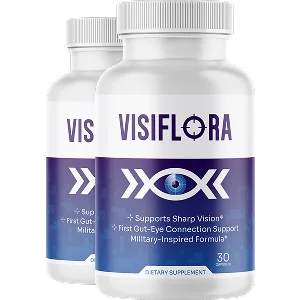
VisiFlora
Lists lutein and zeaxanthin, vitamins C and E, zinc, copper and vitamin A as beta-carotene, which overlap with AREDS1/AREDS2 ingredients, but amounts are not disclosed and the finished product has no clinical data. Ingredients such as astaxanthin, ginkgo, coleus forskohlii and eyebright have no good AMD evidence, and saffron evidence is limited.
Listed ingredients: Astaxanthin, Vitamin C, Vitamin E, Copper, Selenium, Chromium
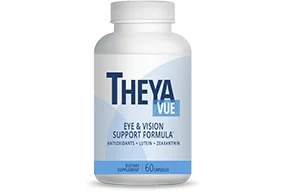
TheyaVue
Names lutein, zeaxanthin, vitamin C, vitamin E and zinc, which relate to AREDS2, but lists no copper and gives no amounts. Calcium, bilberry and rutin have no AREDS2-type evidence for macular degeneration.
Listed ingredients: Lutein, Zeaxanthin, Vitamin C, Calcium, Vitamin E, Bilberry Extract
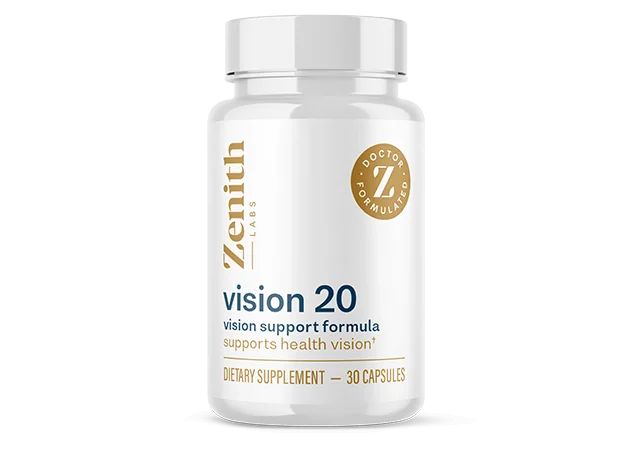
Vision 20
Lutein, zeaxanthin and zinc relate to AREDS2, but vitamin C, vitamin E and copper are not listed and amounts are not disclosed. Beta-carotene is the ingredient AREDS2 replaced, and lycopene, taurine, grape seed and bilberry lack good AMD evidence.
Listed ingredients: Lutein, Zeaxanthin, Zinc, Beta-carotene, Lycopene, Rose Hips
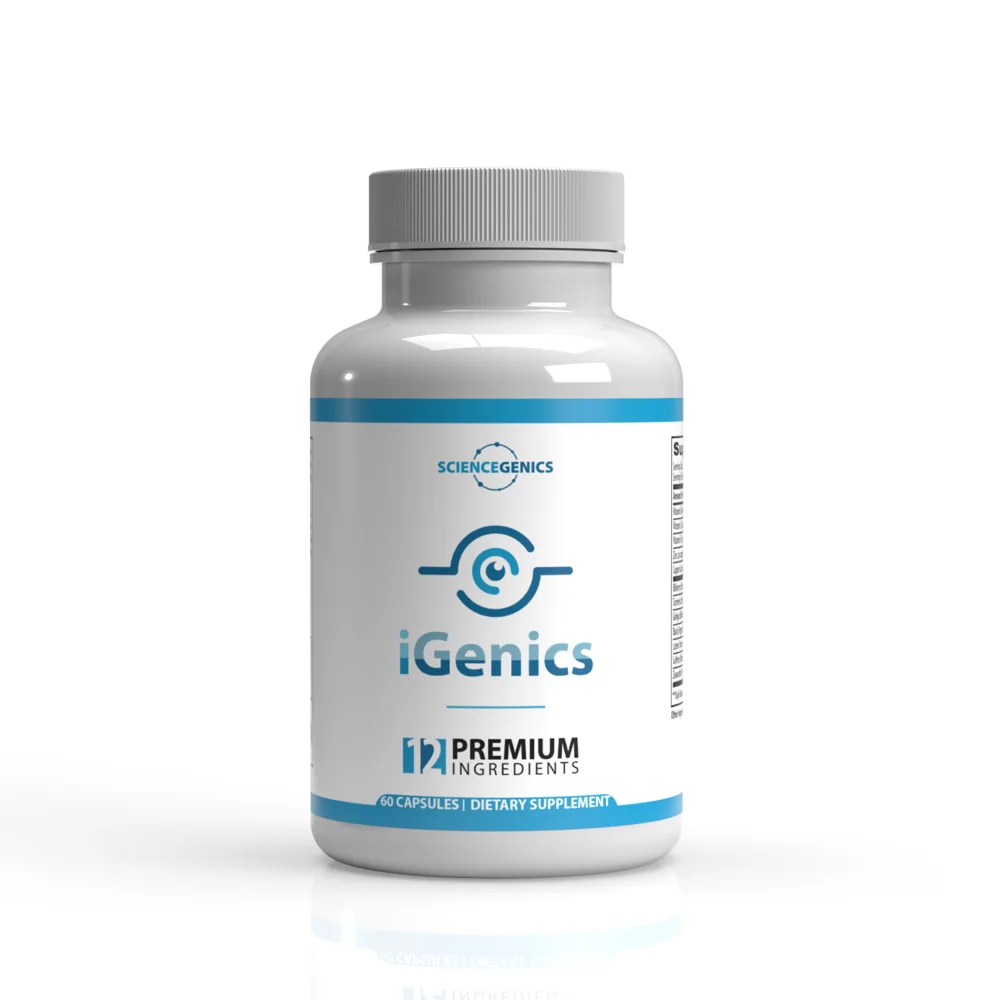
iGenics
Says it contains AREDS-2 formula ingredients but does not itemize them, so a match to the studied doses cannot be verified. Saffron has limited small-study evidence for AMD, and ginkgo, bilberry and turmeric have no good evidence for this topic.
Listed ingredients: Ginkgo biloba, AREDS-2 formula ingredients (not itemized), Bilberry, Saffron, Turmeric + BioPerine
Frequently asked questions
What is in the AREDS2 formula?
It contains 500 mg vitamin C, 400 IU vitamin E, 10 mg lutein, 2 mg zeaxanthin, 80 mg zinc and 2 mg copper per day[1]. Omega-3 fatty acids were tested but did not add benefit[4].
Can I take AREDS2 with lower zinc or no zinc?
AREDS2 compared a lower zinc dose with the standard one[4], so lower-zinc versions are worth discussing with an eye doctor. A formula with no zinc was not tested. Zinc above 40 mg per day from all sources can cause side effects[2].
Should everyone over 50 take AREDS2 eye vitamins?
No. NEI says the supplements were studied for people with intermediate AMD or advanced AMD in one eye, and they have not been shown to help people with no or early AMD[1]. An eye exam is the way to find out your stage.
Are natural alternatives to AREDS2 as good?
Not shown. Saffron has small studies with limited evidence[7], and other herbal ingredients have even less. None has been proven to replace the AREDS2 formula.
Sources
- National Eye Institute: Age-Related Eye Disease Studies (AREDS/AREDS2)
- NIH Office of Dietary Supplements: Zinc fact sheet
- AREDS Research Group. Arch Ophthalmol 2001: high-dose vitamins C and E, beta carotene and zinc for AMD
- AREDS2 Research Group. JAMA 2013: lutein + zeaxanthin and omega-3 fatty acids for AMD
- National Eye Institute: Age-related macular degeneration
- American Academy of Ophthalmology: What is macular degeneration?
- BMJ Open Ophthalmol 2024: saffron therapy for age-related macular degeneration